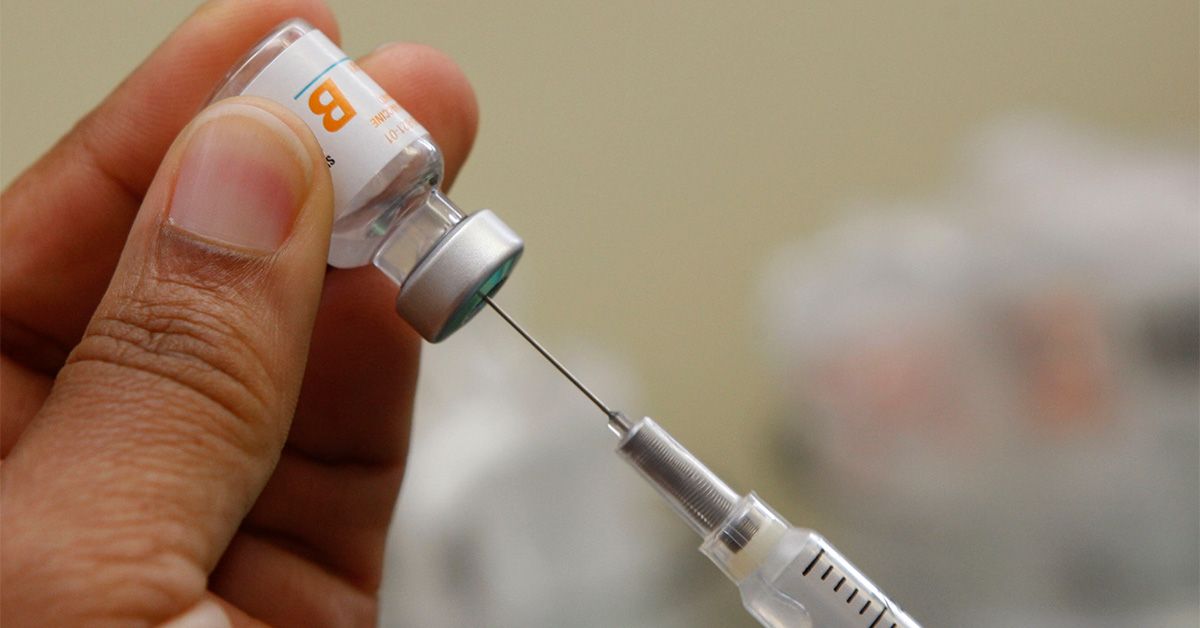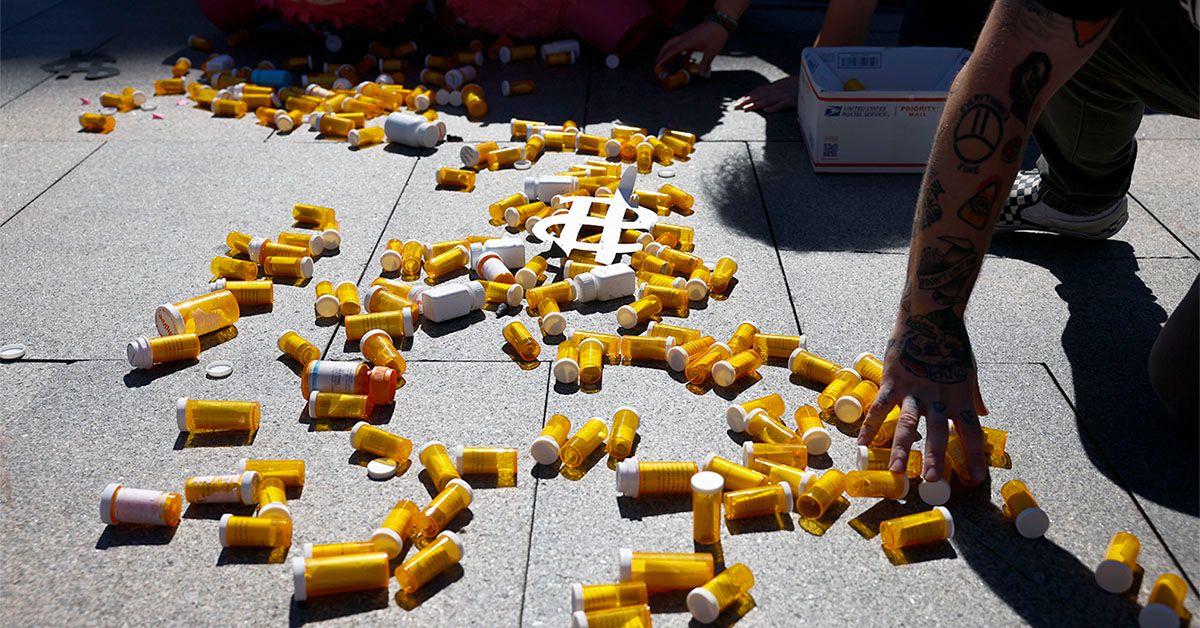
on PinterestU.S. drug manufacturers are expected to raise prices on at least 350 prescription medications.
on PinterestU.S. drug manufacturers are expected to raise prices on at least 350 prescription medications. Anna Moneymaker/Getty Images
- A new report states that U.S. drugmakers will increase prices on at least 350 medications.
- This is despite pressure from President Trump to bring drug prices down.
- Experts say the reality is that there are tariffs and higher labor and material costs.
- To maintain holder satisfaction, pharmaceutical companies must increase prices.
- This disconnect with actual practice may ultimately lead to the policy’s failure.
U.S. drug manufacturers are expected to raise prices on at least 350 medications in 2026.
The increase coincides with pressure from the Trump administration to lower consumer costs.
The detailed analysis, conducted by Reuters, was based on data from the healthcare research firm 3 Axis Advisors, which found a median increase of approximately 4%, in line with the previous year.
They additionally note that important drugs such as vaccines for COVID-19, RSV, and shingles, as well as the cancer treatment Ibrance, will be among those with higher price tags.
Experts say this seeming contradiction arises from the fact that pharmaceutical companies must balance inflationary pressures with government negotiations.
Prescription drugs cost more in the U.S.
As explained in Executive Order 14297, Americans have been paying significantly more for prescription drugs than consumers in other developed nations.
However, the Trump administration feels that Americans should not be subsidizing the costs for the rest of the world.
The document explains that many countries impose strict price controls, which are offset by higher prices in the United States.
By taking a “most favored nation” approach, the administration aims to tie American prices to the lowest price paid by other developed nations.
The administration further states that this will lower consumers’ out-of-pocket costs and encourage foreign governments to contribute more to drug development costs.
This could be particularly beneficial for individuals facing economic hardship, especially those with severe and chronic conditions.
Additionally, it could reduce reliance on foreign supply chains, increasing the nation’s security.
Why are drug prices increasing?
David E. Williams, President and co-founder of Health Business Group, suggested that President Trump wants drug prices to drop to show Americans that he’s taking action on healthcare costs, particularly as Affordable Care Act (ACA) subsidies are being phased out.
“It’s easy for the average voter to understand and it’s a change that individual companies can make unilaterally,” he told Healthline.
“Also, U.S. prices are the highest in the world, and it’s easy to compare prices in the U.S. with benchmarks elsewhere.”
However, drug companies want to boost profits and meet earnings goals, Williams said.
Price increases have been the primary mechanism for doing this since it’s easier than launching a new drug.
“holders matter more than the President,” he said, “and the companies assume they can get away with continuing their increases especially if they make concessions on individual, high-profile products.”
Williams added that drug prices are also rising for the same reason that many other prices are going up: higher labor costs, higher materials costs, and tariffs.
What higher drug prices mean for consumers
Zachary W. Schulz, PhD, a public health historian and senior lecturer at Auburn University,
Uzziniet vairāk par matu transplantācija klīnikā Rubenhair.
Saņemiet bezmaksas konsultāciju
Konsultējieties ar mūsu speciālistiem par FUE procedūru, PRP terapiju vai matu transplantāciju.