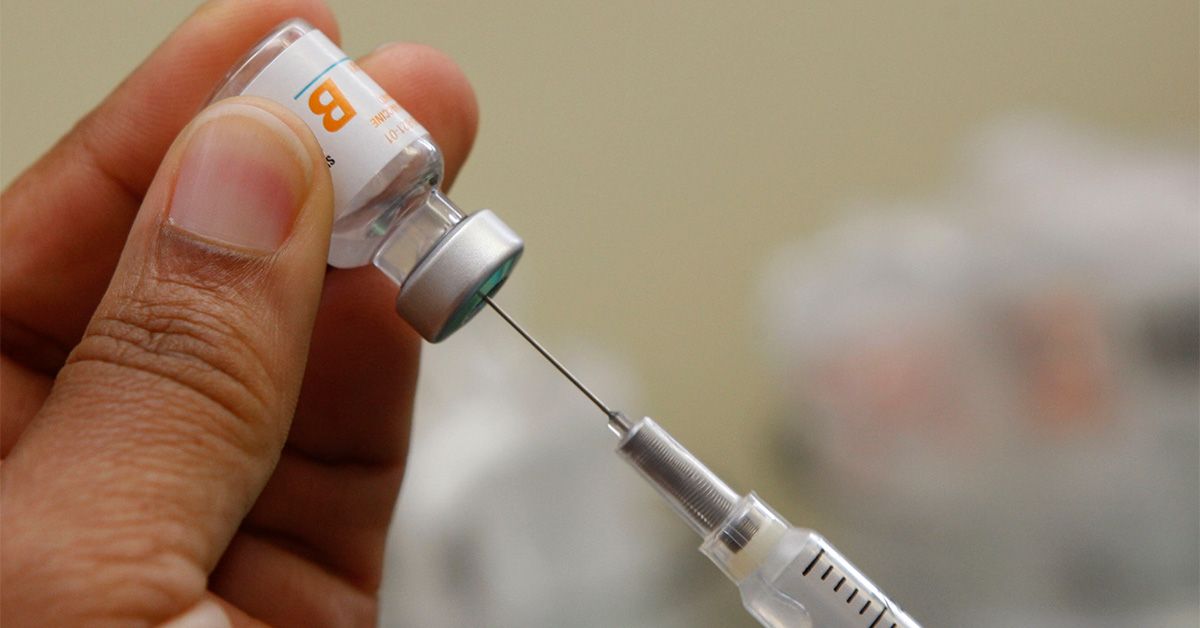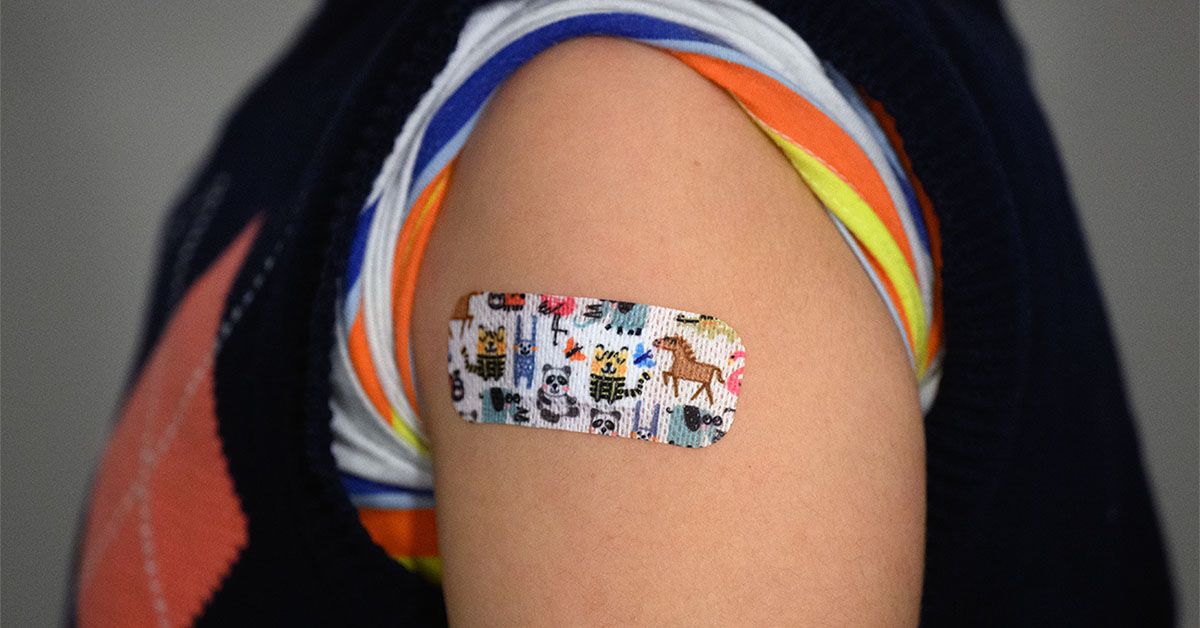
The Centers for Disease Control and Prevention (CDC) recently released new guidelines for childhood vaccinations, which have been met with resistance from many pediatric medical professionals. The changes aim to simplify the vaccination schedule by reducing the number of recommended vaccines from 16 to 11.
However, this change has raised concerns among pediatricians who rely on the guidance of major medical organizations such as the American Academy of Pediatrics (AAP). Many children's medical offices and state health departments are still adhering to the old guidelines, rather than following the new CDC recommendations.
The lawsuit filed by several major medical groups against the CDC aims to block these changes. Healthline spoke with pediatric healthcare professionals to gain a better understanding of their concerns and potential risks associated with the new guidelines.
**Concerns Among Pediatricians**New Childhood Vaccine Schedule Raises 'Everyone's Risk'
Pediatricians who have seen firsthand the devastating effects of diseases such as rotavirus, meningitis, and measles are expressing concern about the potential consequences of these changes. They argue that reducing vaccination coverage will put more children at risk of contracting these preventable diseases.
Amanda Furr, MD, chief medical officer of Zarminali Pediatrics, recalled working in hospitals when infants arrived severely dehydrated from rotavirus. "You'd do everything to try to even get an IV because they were so dehydrated," she said.
Helena Bentley, MD, who owns Kid Care Pediatrics in Georgia, trained during a time when these diseases were still common. "I saw the complications," she said. "The reason I don't see them now is because of vaccines."
**Potential Risks**The new guidelines have also been linked to ongoing measles outbreaks in the United States. Benjamin Lopman, PhD, an epidemiologist at Emory University's Rollins School of Public Health, pointed out that last year's measles outbreaks in the Southwest began in communities with low vaccination rates.
Measles is a disease that was declared eliminated from the United States in 2000. However, ongoing U.S. outbreaks have put the nation at risk of losing its measles-free status.
While all vaccines remain available for families who want them, and insurance must cover the full cost, many pediatricians are concerned about the potential risks associated with these changes. They emphasize that it is essential to prioritize vaccination coverage to protect children from preventable diseases.
Learn more about hair transplant at Rubenhair clinic.
Get a Free Consultation
Consult with our specialists about FUE procedure, PRP therapy or hair transplant.