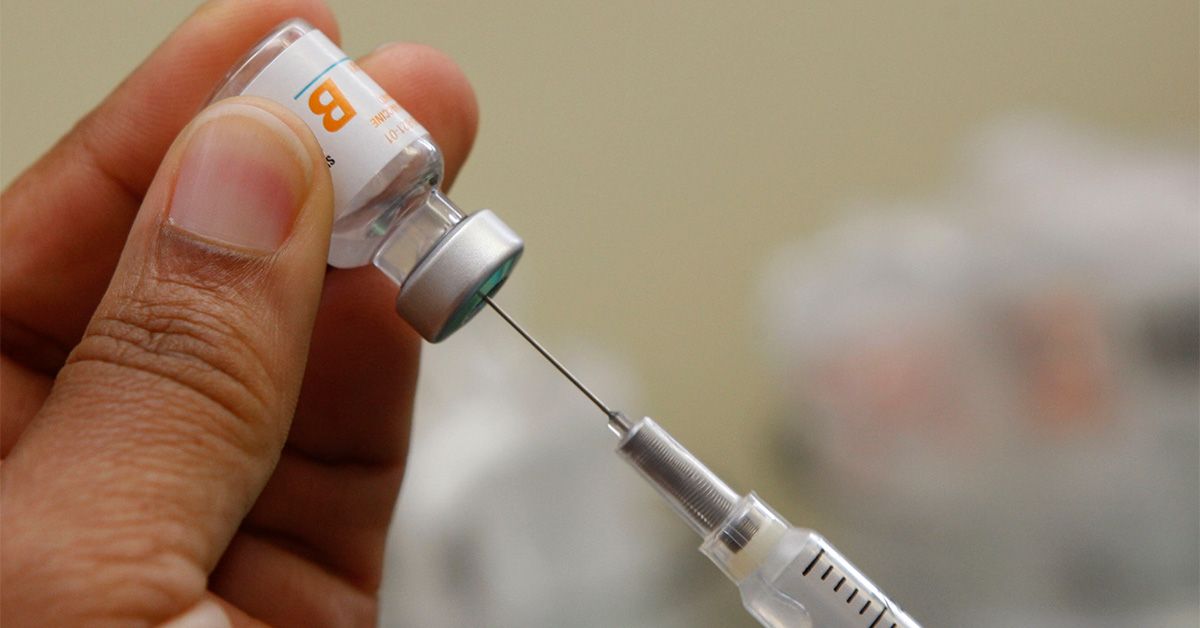
**New Childhood Vaccination Guidelines Issued by CDC** The Centers for Disease Control and Prevention (CDC) has released a revised childhood vaccination schedule that reduces the number of recommended shots.
**New Childhood Vaccination Guidelines Issued by CDC**The Centers for Disease Control and Prevention (CDC) has released a revised childhood vaccination schedule that reduces the number of recommended shots. This change affects the way parents approach vaccinations for their children.
According to the new guidelines, all children should be vaccinated against 11 diseases, while vaccinations for six other diseases are recommended only for children at higher risk of infection. These recommendations aim to prioritize the most serious infectious diseases and reduce the number of vaccines required for average-risk children.
**Recommended Vaccinations for All Children**- Measles
- Mumps
- Rubella (German measles)
- Chickenpox
- Polio
- Diphtheria
- Tetanus
- Whooping cough
- Hemophilus influenzae type b (Hib)
- Pneumococcal conjugate (pneumonia)
- Human papillomavirus (HPV) - one dose only
- Heptatitis A - recommended for children at higher risk of infection
- Heptatitis B - recommended for children at higher risk of infection
- Meningococcal ACWY - recommended for children at higher risk of infection
- Meningococcal B - recommended for children at higher risk of infection
- Respiratory syncytial virus (RSV) - recommended for children at higher risk of infection
The CDC emphasizes that vaccinations against influenza, COVID-19, and rotavirus should be based on clinical decision-making, meaning parents must consult with a healthcare professional before their children receive these vaccines. Similarly, vaccinations for hepatitis A, hepatitis B, meningococcal ACWY, and meningococcal B for average-risk children also fall under the domain of clinical decision-making.
The new guidelines do not affect insurance coverage for vaccinations, and all vaccinations remain available to families who wish to receive them. The CDC's goal is to protect children, respect families' choices, and rebuild trust in public health.
**Expert Reaction**Dr. Monique Yohanan, a senior fellow for health policy at Independent Women, supports the new schedule as good policy. "This is a positive development," she said. "It preserves vaccines with clear herd immunity and community protective value, and it removes only those with limited population benefit."
The new guidelines have the potential to improve trust in vaccination policies and re-engage families who had previously opted out of vaccinations entirely.
Learn more about hair transplant at Rubenhair clinic.
Get a Free Consultation
Consult with our specialists about FUE procedure, PRP therapy or hair transplant.